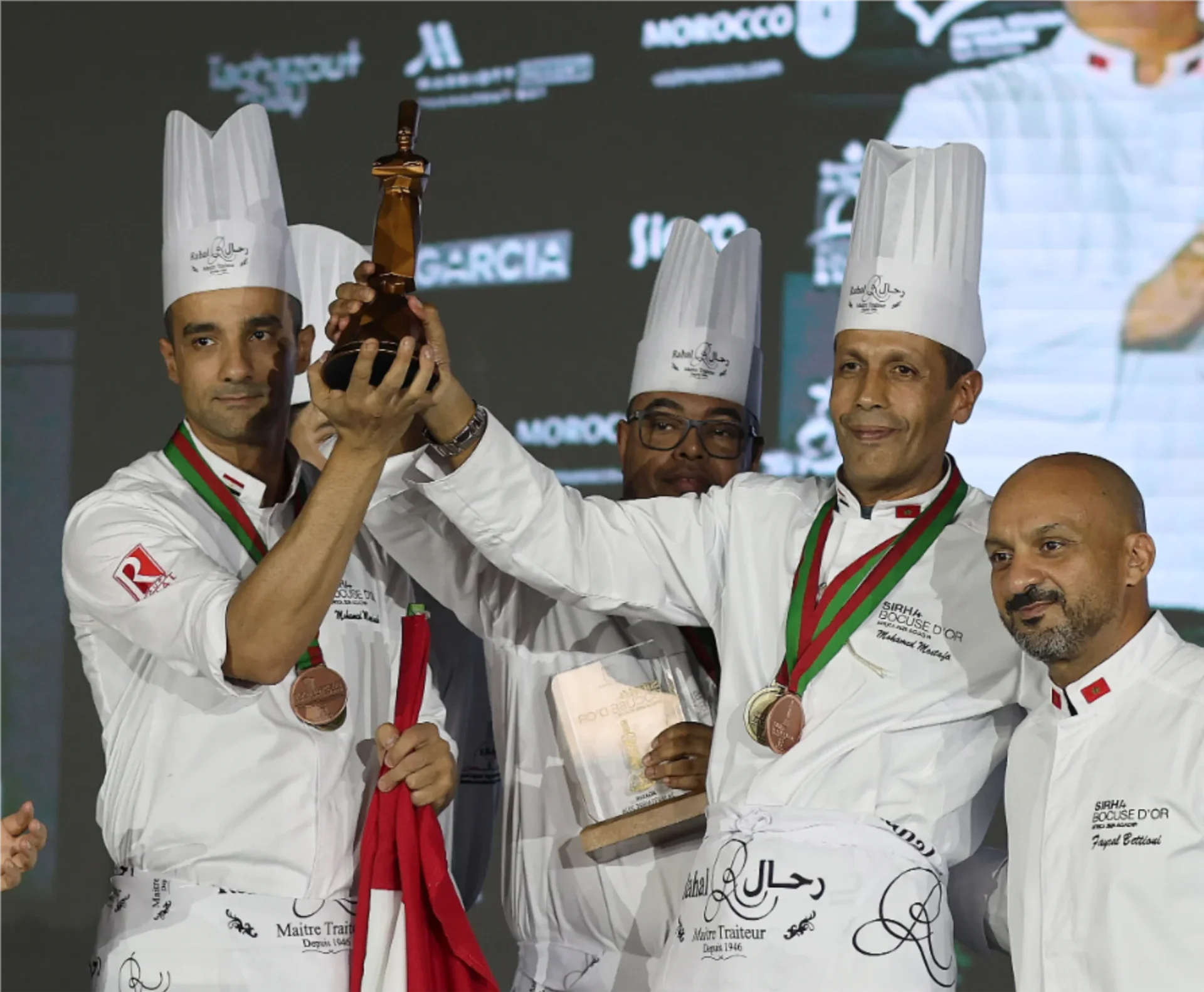
CONTINENTAL ROUND Africa selection of the Bocuse d'Or

24th of September 2026
Agadir, Morocco

Africa continues to take center stage 

The Bocuse d'Or Africa brought together the African countries that had successfully completed their national selection in order to determine which two teams would earn the opportunity to represent their country at the Grand Final in Lyon in 2027.

Africa once again took centre stage with the Bocuse d'Or Africa Continental Selection, celebrating culinary excellence, craftsmanship, and the transmission of know-how across the continent.

The host city for this cycle's selections was every bit as vibrant as its cuisine: Agadir, Morocco! The selections took place from 22 to 24 September, with the Bocuse d'Or competition held on 24 September. The Pastry World Cup Africa Continental Selection took place the day before, on 23 September.

Participating Teams

The Bocuse d'Or Africa 2026 brought together six talented teams from across the continent:

  • Morocco
  • Egypt
  • Mauritius
  • Tunisia
  • Senegal
  • Côte d'Ivoire

Representing the diversity, creativity, and excellence of African gastronomy, these nations competed for a place in the Bocuse d'Or Grand Final in Lyon. During this continental selection, each team showcased its culinary identity, technical expertise, and vision of contemporary cuisine on one of the world's most prestigious gastronomic stages.


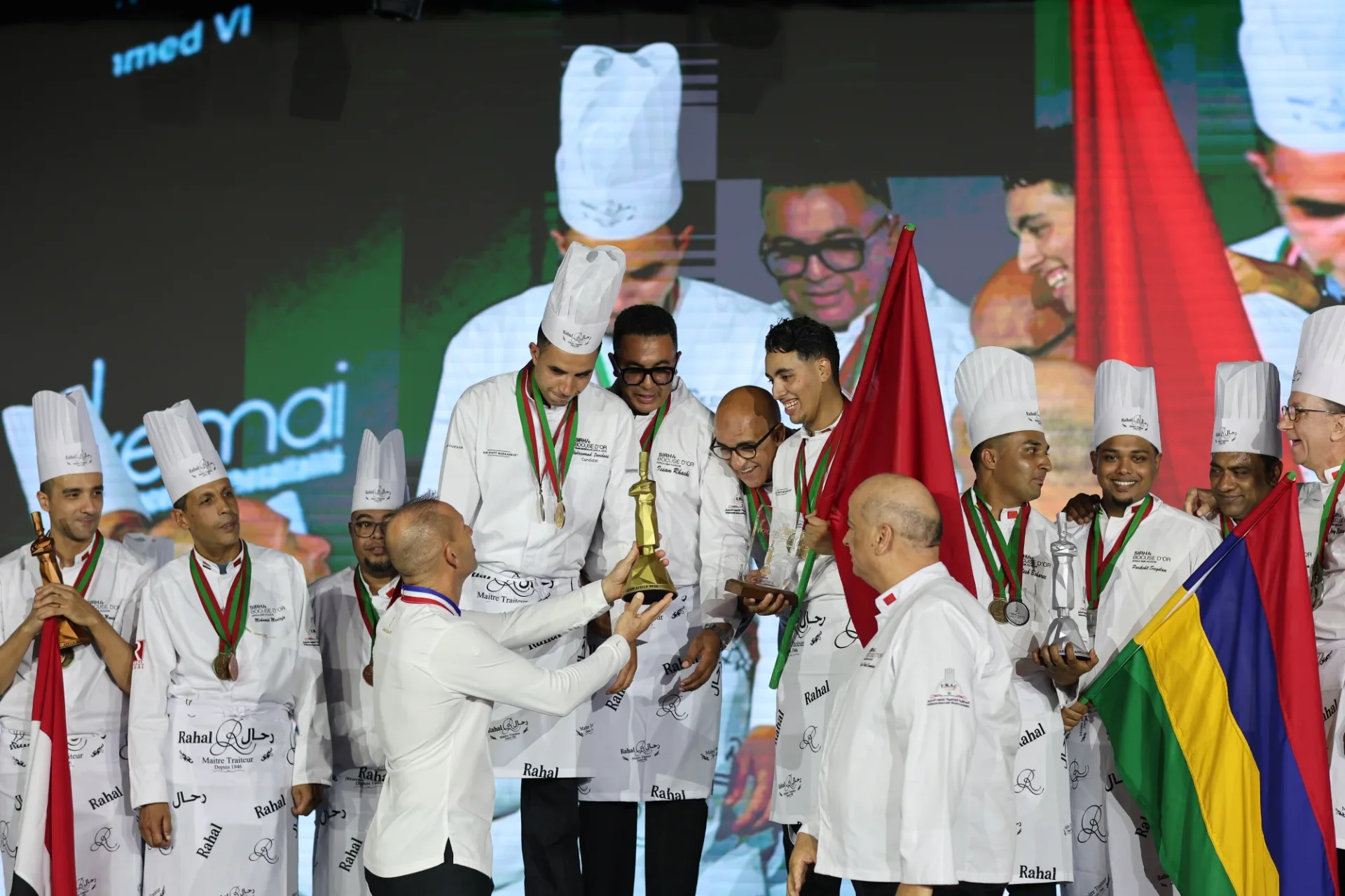
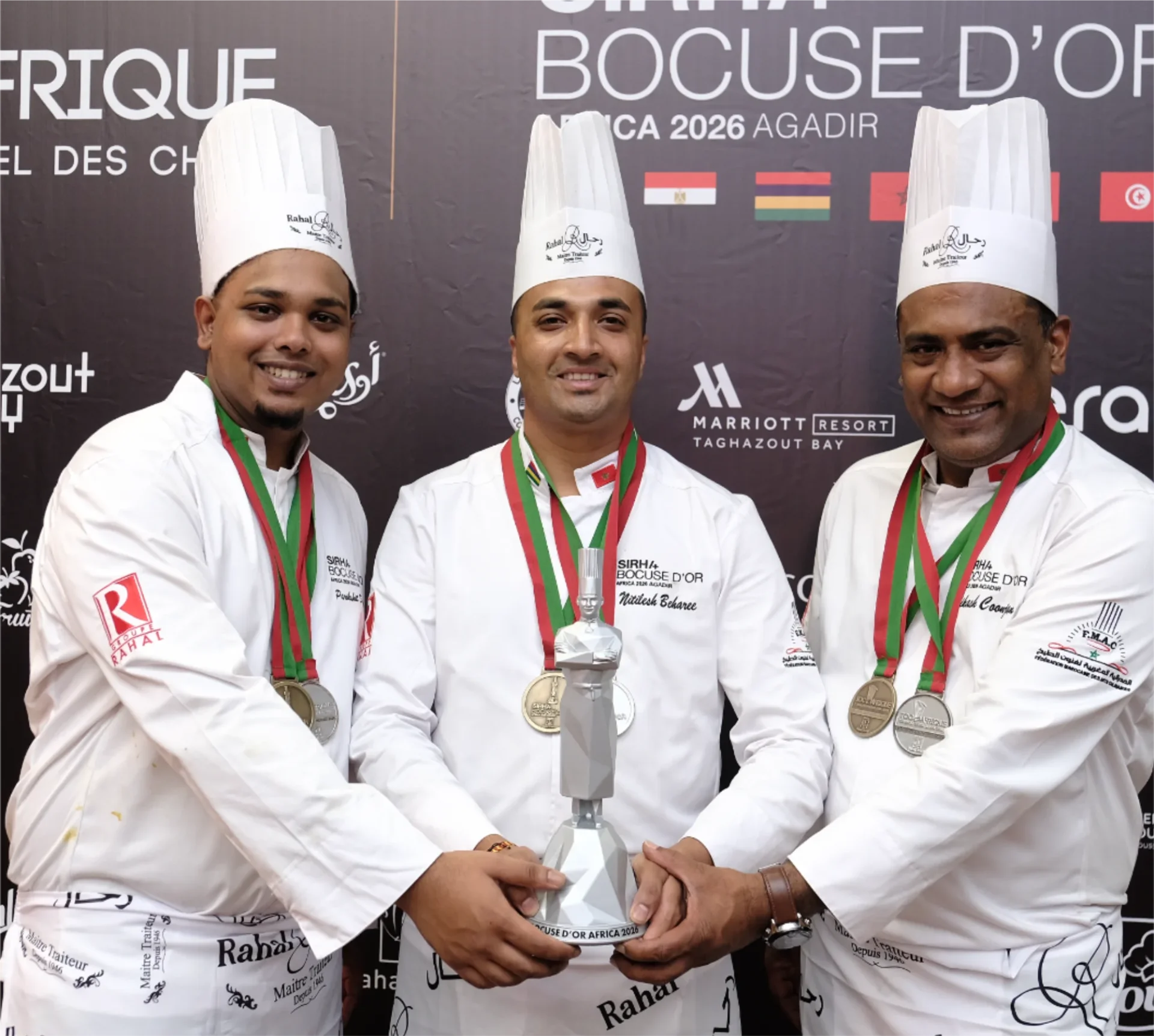
After an intense day of competing, le Maroc et l'Egypt ont sécurisé leur place pour représenter leurs pays lors de la Grande Finale en 2027. 

The tests

The Platter Theme – The Bocuse d’Or Signature

This year, the teams will have 5 hours and 30 minutes to complete the Bocuse d’Or’s signature challenge: the ‘Platter Theme’. Presented on a platter before being carved and plated in front of the jury, this theme showcases lamb and the signature produce of each participating African country. 

It is structured around four key elements: 
  • Stuffed saddle of lamb (two whole, identical pieces) 
  • Barley (signature accompaniment highlighting the identity of the country represented) 
  • Sweet potato (accompaniment of the candidate’s choice) 
  • A compulsory sauce or jus, to be interpreted freely by the candidate

component bloc not found

component bloc not found

component bloc not found

The saddle of lamb must be presented as two whole cuts for 14 people and must account for at least 80 % of the main dish. 

 The first accompaniment is barley. This must account for at least 60 % of the recipe, whilst the remaining 40 % must consist of local produce from the country represented, in order to reflect its national culinary identity. 

The second accompaniment showcases the sweet potato, which must make up at least 80 % of the dish. The candidate is free to choose their own interpretation and preparation techniques.

A theme centred on the Atlantic’s maritime riches

Competitors must also propose a hot or cold dish for 14 people, to be submitted after 4 hours and 55 minutes of competition. This challenge showcases the maritime riches of the Atlantic as well as the culinary hallmarks specific to each participating nation. 

The official ingredients for the plated dish theme are: 
  • Sea bream (75 per cent of the main composition) 
  • Grey shrimp (25 per cent of the main composition) 
  • Akara (traditional red bean fritter) 
  • Citrus fruits (the candidate’s signature garnish) 
  • A compulsory beurre blanc sauce, flavoured with an ingredient emblematic of the country represented 

Candidates must create a unique recipe centred on sea bream and grey shrimp, whilst incorporating a seasonal vegetable.
component bloc not found

The first filling showcases citrus fruits. These must account for at least 60 % of the dish, whilst the remaining 40 % must consist of local produce from the country represented, in order to highlight the candidate’s national identity. 

The second filling is dedicated to Akara. Contestants must adhere to the fundamentals of this speciality (red kidney beans, tomatoes and onions) whilst freely incorporating ingredients from their national culinary heritage. 

Finally, the compulsory sauce will take the form of a reimagined beurre blanc, into which an ingredient representative of the team’s country must be incorporated, clearly identifiable upon tasting.